Living in Beacon Hill: The Essential Guide for Young Professionals
Gas-lit lanes, Charles Street cafes, and 10-20 min walks to MGH, the Financial District, plus Red, Green & Blue Lines in historic Beacon Hill.
Written ByAndrew McKinney
PublishedOctober 17, 2026
I'm Andrew McKinney, a JD/MBA attorney and broker helping buyers and sellers in Boston, Newton, Cambridge and beyond. Let's talk, from first search to closing. Serving Boston, Brookline, Cambridge, Arlington, Needham, Newton, Waltham, Lexington, Wellesley, Medford, Dedham, Westwood and Natick, MA.
Gas-lit lanes, brick sidewalks, Federal-style rowhouses: Beacon Hill is Boston's most recognizable neighborhood, and it sits just a short walk from the State House, Mass General and the Financial District. If you're a young professional who wants a historic setting without sacrificing urban convenience, few addresses in the city can compete. Below, I'll walk you through the neighborhood's atmosphere, housing, gathering places and commute options.
What Is the Vibe Like in Beacon Hill for Young Professionals?
Beacon Hill is really two neighborhoods in one. Charles Street and the "flat of the hill" are lively and social. The residential streets climbing toward the State House, by contrast, rank among the quietest in downtown Boston. Most young professionals love having both: an active main street for errands and evenings out, and a peaceful side street to come home to.
Is Beacon Hill quiet or busy?
That depends on the block. Charles Street hums from the morning coffee rush straight through dinner. Pinckney, Chestnut and Mount Vernon Streets, on the other hand, feel residential and hushed. Some residents find the upper hill "too quiet," and the neighborhood has long been known as home to established, well-off families.
My advice to buyers coming over from Back Bay or the South End is simple: if you want nightlife outside your window, live near Charles Street or Cambridge Street. If you'd rather walk to the action and then retreat to a calm bedroom, head up the hill.
Why do young professionals choose Beacon Hill?
The amenity scores tell much of the story. Beacon Hill rates at or near the top in nearly every category that matters to career-focused residents:
Lifestyle Scores for Young Professionals
Beacon Hill scores extremely high for the urban amenities young professionals tend to value most: transit, parks, groceries, restaurants, cafes, shopping, nightlife, and overall vibrancy.
Transit-friendly9.9/10
Parks10/10
Groceries9.8/10
Restaurants9.5/10
Cafes9.5/10
Shopping10/10
Nightlife9.4/10
Vibrancy9.6/10
Composite score for young professionals9.7/10
Beacon Hill scores extremely high for the urban amenities young professionals tend to value most: transit, parks, groceries, restaurants, cafes, shopping, nightlife, and overall vibrancy.
•Morning: a run along the Charles River Esplanade or a loop around the Common.
•Daytime: a short walk to the office.
•Evening: dinner at a candlelit bistro on Charles Street.
No car required. Many of the professionals I work with also appreciate that the neighborhood feels grown-up rather than collegiate. It's social, but never rowdy.
What Are Condos and Townhomes Like in Beacon Hill?
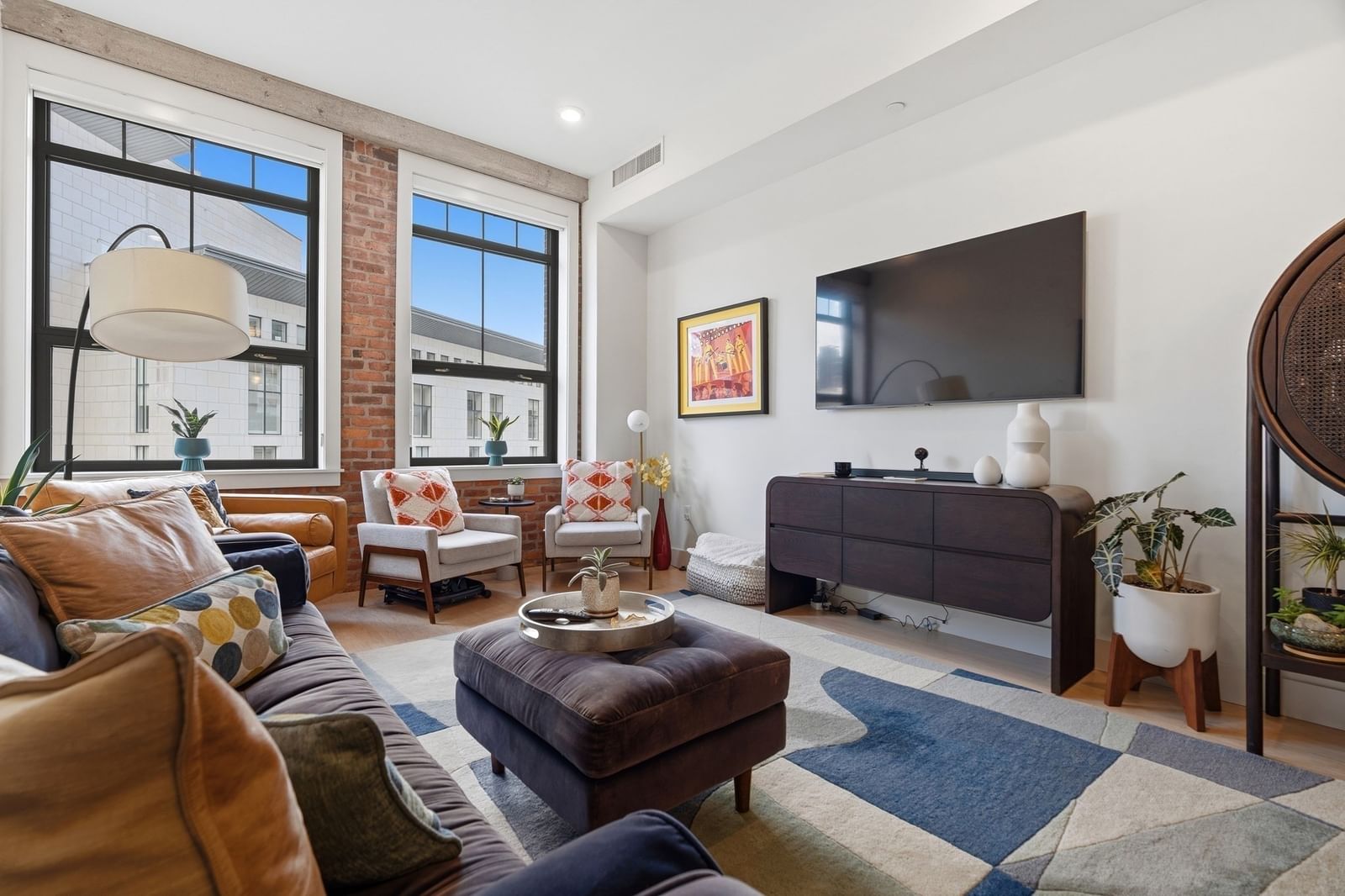
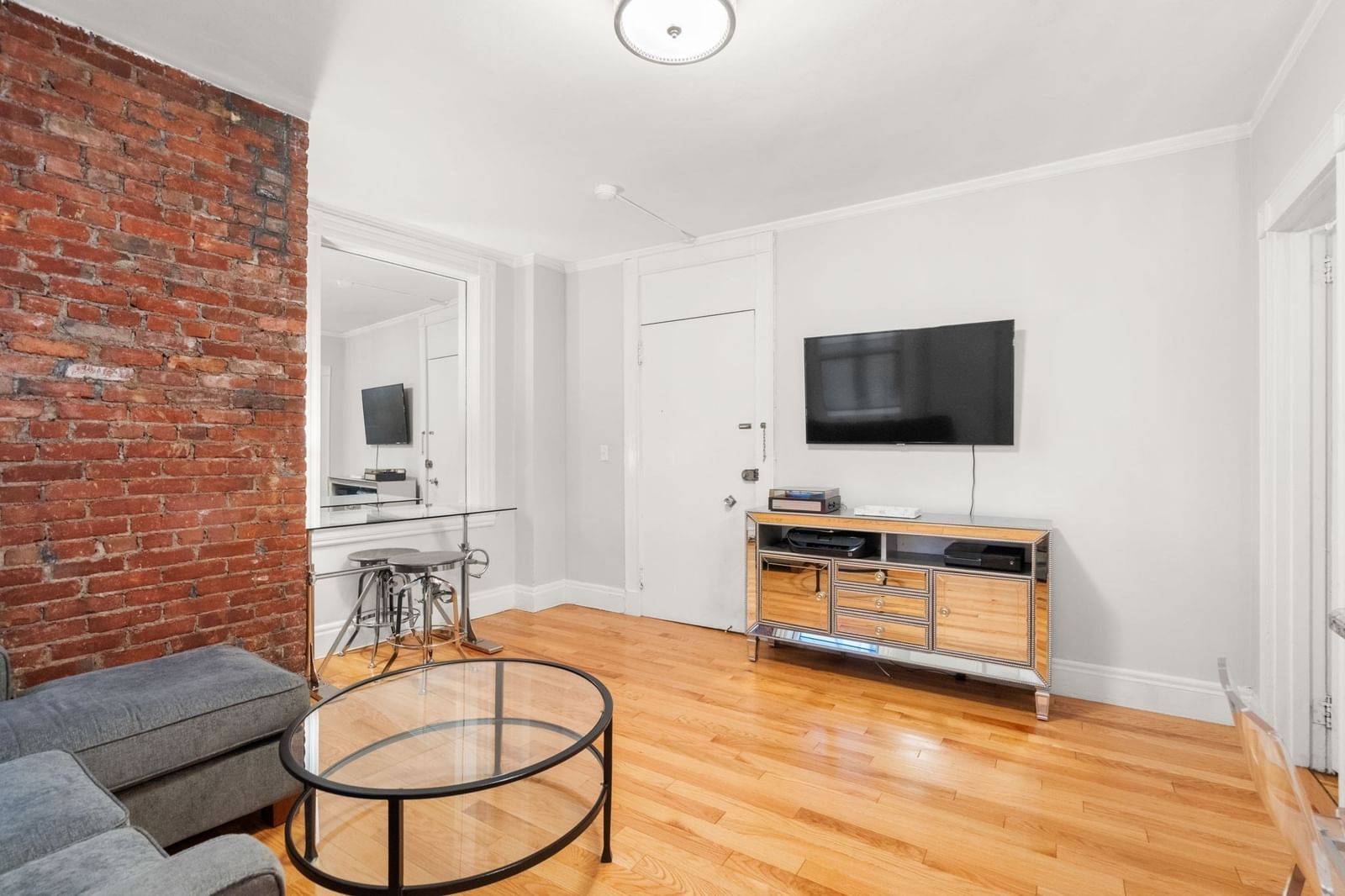
Most Beacon Hill housing is 19th-century brick, primarily Federal and Greek Revival rowhouses. Many have been converted into condominiums, while single-family townhouses occupy the luxury end of the market. Young professionals typically buy or rent condos in these converted buildings, which pair historic character with modern kitchens and baths.
What architectural styles will I find in Beacon Hill?
•Federal-style rowhouses: symmetrical brick facades, fanlights over the doors, and the elegant proportions of the early 1800s.
•Greek Revival homes: granite lintels, bold entry porticos, and the bowfront and bay forms you'll spot on Mount Vernon and Chestnut Streets.
•Converted multi-family buildings: walk-up condos with three to six units, common on the flat of the hill and the north slope.
•Full single-family townhouses: multi-story homes, sometimes with private roof decks, garden-level patios or hidden courtyards.
How big are Beacon Hill lots and homes?
Think small footprints and vertical living. Rowhouses share party walls and sit on narrow lots, so outdoor space is scarce. A roof deck or small brick courtyard is a genuine asset, and buyers pay accordingly. Condos range from compact studios to full-floor units, while townhouses run from roughly 3,000 to more than 7,000 sq ft spread across several floors.
For busy professionals, that translates into low-maintenance ownership. There's no lawn to mow, and in condo buildings the association usually handles exterior repairs. Typical condo fees run about $300 to $900 per month, depending on the building's size and services.
How expensive is Beacon Hill real estate?
Beacon Hill is one of Boston's premium markets. Townhouses sit at the very top of the city's price range, and condos sell well above the citywide average per square foot. Still, the market offers real range, from small walk-up studios to penthouses on Beacon Street. Buyers willing to be flexible on elevators, outdoor space or floor level can find realistic entry points.
Beacon Hill Market Snapshot: August–September 2026
Headline buying and renting indicators for Beacon Hill, showing a premium ownership market, strong rental depth, and moderate negotiating room below list price.
Compared with other neighborhoods popular among young professionals, the Back Bay–Beacon Hill area costs significantly more to buy, and rents run higher too. That premium reflects location, architecture and scarcity. One note: the comparison chart below draws on an older, broader dataset that combines Back Bay and Beacon Hill, so its figures come in lower than the current market snapshot above. Use it to gauge relative differences between neighborhoods, not current prices.
Boston Neighborhood Cost Comparison
A citywide comparison of median home and rent prices across popular Boston neighborhoods, highlighting the premium attached to Back Bay–Beacon Hill relative to other young-professional favorites.
Median Home Price
Median Rent Price
A citywide comparison of median home and rent prices across popular Boston neighborhoods, highlighting the premium attached to Back Bay–Beacon Hill relative to other young-professional favorites.
What does it cost to own a condo in Beacon Hill each month?
Beyond your mortgage, budget for the following:
•Property tax: Boston's FY2026 residential rate is approximately $12.40 per $1,000. Owner-occupants can claim a residential exemption worth roughly $4,350 a year. On a $1.2M condo, that works out to about $877/month in tax, versus roughly $1,240/month for an investor-owner. Confirm current figures with the City of Boston Assessing Department.
•Condo fees: typically $300 to $900/month.
•Parking, if you need it: garage spaces rent for about $300 to $700/month. Deeded spaces start around $200,000 and can reach $1,000,000 at the high end.
Parking is often the deciding factor. Buyers relocating from Brookline or Newton are accustomed to driveways, and they're frequently surprised to learn that parking here is a separate, significant purchase. Many young professionals simply choose to go car-free.
Are there historic district rules for Beacon Hill homeowners?
Yes, and you'll want to understand them before you buy. Beacon Hill is a locally designated historic district, established under Chapter 616 of the Acts of 1955. The Beacon Hill Architectural Commission reviews exterior changes, including windows, masonry, doors, signage and roof decks visible from a public way. Violations can carry fines of up to $1,000 per day.
Whenever I review a purchase contract here, I verify that past exterior work was approved, including replacement windows and any roof deck that might be visible from the street. An unpermitted alteration can quickly become the new owner's problem. Interior renovations, however, generally fall outside the commission's review, so a dated kitchen is far easier to fix than a non-compliant facade.
Where Do People Gather in Beacon Hill?
Neighborhood life centers on Charles Street, Boston Common and the Public Garden. Historic squares and corner cafes fill in the gaps. Everything sits so close together that "meeting up" usually means a five-minute walk.
What is Charles Street like in Beacon Hill?
Charles Street is Beacon Hill's main street, lined with artisanal cafes, antique shops, boutiques, small grocers and some of the city's most dependable neighborhood restaurants. On weekday mornings, expect a line out the door at Tatte Bakery & Cafe as residents grab coffee before work.
By evening, the energy shifts to Italian trattorias, upscale American bistros and cocktail bars, several tucked below street level in true speakeasy style.
Improvements are on the way, too. A long-planned streetscape project calls for wider sidewalks, historically styled lighting and better bike access, all of which will make the daily errand loop even more pleasant:
$750,000Charles Street Reconstruction Allocation
Charles Street Master Plan and 2026 Streetscape Status
A public-realm improvement initiative aimed at making Beacon Hill’s core retail corridor more walkable, attractive, and bike-friendly—important for residents who rely on neighborhood errands and transit instead of daily driving.
SidewalksWider sidewalks
LightingHistorically detailed street and pedestrian lighting
CyclingBike lane
Mount Vernon Street ChangeConverted from three lanes to a public meeting square
How close is Beacon Hill to Boston Common and the Public Garden?
They're right next door. Boston Common borders the neighborhood's southern edge. Just across Charles Street, the Public Garden offers swan boats, formal flower beds and some of the most photographed lawns in New England. Residents treat both as a backyard, whether for morning runs, lunch breaks, weekend picnics or winter skating.
To the west, the Charles River Esplanade adds miles of riverfront running and cycling paths. As a former competitive tennis player who still trains regularly, I can say this with confidence: few downtown neighborhoods anywhere make staying active this easy.
What landmarks define Beacon Hill?
•The Massachusetts State House: the gold dome crowning the hill, just minutes on foot from most homes.
•Acorn Street: often called the most photographed street in America, complete with original cobblestones and gas lamps.
•Louisburg Square: a private, gated green framed by grand townhouses and one of the city's most prestigious addresses.
•Mount Vernon and Chestnut Streets: classic rows of bowfront brick homes adorned with window boxes.
Neighborhood groups keep the social calendar full. Book clubs, mixers at the Liberty Hotel and speaker forums tend to sell out quickly each fall, a clear sign of a well-connected resident community.
How Is the Commute from Beacon Hill to Downtown Boston and Cambridge?
Beacon Hill offers one of the best commutes in Greater Boston. Most residents walk to the Financial District, Government Center or Mass General in 10 to 20 minutes. The neighborhood also sits within easy reach of three major subway lines: Red, Green and Blue. A car is optional, and many residents go without one.
Beacon Hill Mobility Scores
Beacon Hill is almost car-optional: near-perfect walk and transit scores, with a solid bike score for short urban trips.
Beacon Hill is almost car-optional: near-perfect walk and transit scores, with a solid bike score for short urban trips.
•Charles/MGH (Red Line): at the foot of the hill on Cambridge Street. It's just one stop to Kendall Square and MIT, with direct service to Harvard Square and south to Downtown Crossing and South Station. Trains run about every 10 minutes, and the standard adult subway fare is $2.40.
•Park Street (Red & Green Lines): at the corner of the Common, with Green Line service to Back Bay, Fenway and Longwood.
•Government Center (Green & Blue Lines): a short walk east, with Blue Line service to Logan Airport and East Boston.
•Bowdoin (Blue Line): on the hill's northeastern edge, convenient for residents near Cambridge Street.
•Arlington and Boylston (Green Line): each roughly a 7-minute walk from the flat of the hill.
How long does it take to walk from Beacon Hill to major job centers?
Data Table
Destination
Estimated Walk
Massachusetts State House
3 to 5 minutes
Massachusetts General Hospital
5 to 10 minutes
Back Bay / Newbury Street
10 to 15 minutes
Suffolk, Emerson & Theater District
under 15 minutes
Downtown Crossing / Financial District
10 to 20 minutes
Can I commute from Beacon Hill to Kendall Square or the Seaport?
Easily. Kendall Square is just one Red Line stop from Charles/MGH, and on a nice day you can walk or bike across the Longfellow Bridge instead.
The Seaport sits about 2 miles away. Outside rush hour, a taxi gets you there in roughly 5 minutes. Transit, whether the subway to South Station plus the Silver Line or the bus, takes about 16 minutes. On foot, plan for about 32 minutes.
Many of my clients work in Cambridge biotech or at downtown firms, and they often pick Beacon Hill over Back Bay because it puts them on the Red Line and within walking distance of MGH. That's a trade-off that's hard to beat.
Do I need a car if I live in Beacon Hill?
Most young professionals don't. Streets are narrow, resident parking is scarce, and garage spaces cost $300 to $700/month. Meanwhile, groceries, pharmacies, gyms and restaurants are all within a few blocks. Walking, the T, the occasional rideshare and a Zipcar for weekend getaways cover nearly every need.
Is Beacon Hill a Good Place for Young Professionals to Live?
If you value walkability, history and a short commute, Beacon Hill ranks among the best addresses in Boston. Yes, it costs more than neighborhoods like South Boston or Jamaica Plain. In exchange, you get a near-perfect transit location, a vibrant main street, two landmark parks next door and architecture you won't find anywhere else in the country.
Whether you're weighing a rental against a first purchase or comparing a north-slope walk-up with a flat-of-the-hill condo, the details matter most: building finances, historic commission approvals, parking and the fine print of your purchase contract. Get those right, and a good Beacon Hill purchase becomes a great one.
Is Beacon Hill in Boston, MA a good place for young professionals to live?
Beacon Hill is a strong fit for young professionals who want walkability, historic architecture and a short commute. The neighborhood offers quick access to the Financial District, Government Center, Mass General, Boston Common, the Public Garden and the Charles River Esplanade.
Is Beacon Hill in Boston, MA quiet or busy?
Beacon Hill depends heavily on the block. Charles Street and Cambridge Street are busier, with restaurants, cafes and daily errands, while streets such as Pinckney, Chestnut and Mount Vernon are quieter and more residential.
What are condos and townhomes like in Beacon Hill, Boston, MA?
Most Beacon Hill housing consists of 19th-century brick Federal and Greek Revival rowhouses, many of which have been converted into condos. Condos range from compact studios to full-floor units, while single-family townhouses often range from about 3,000 to more than 7,000 square feet.
How expensive is it to buy a condo in Beacon Hill, Boston, MA?
Beacon Hill is one of Boston’s premium real estate markets, with condos selling well above the citywide average per square foot. Monthly ownership costs can include condo fees of about $300 to $900, property taxes, and parking if needed.
Do Beacon Hill condos in Boston, MA have HOA or condo fees?
Yes. Typical Beacon Hill condo fees run about $300 to $900 per month, depending on the building’s size and services. In many converted rowhouse condo buildings, the association usually handles exterior repairs.
Do you need a car in Beacon Hill, Boston, MA?
Most young professionals in Beacon Hill do not need a car. Groceries, pharmacies, gyms, restaurants, parks and transit are within a few blocks, while garage parking commonly costs about $300 to $700 per month.
How is the commute from Beacon Hill in Boston, MA to downtown or Cambridge?
Beacon Hill has one of the best commute locations in Greater Boston. Many residents can walk to the Financial District, Government Center or Mass General in about 10 to 20 minutes, and Charles/MGH Station puts Kendall Square one Red Line stop away.
Is Beacon Hill in Boston, MA convenient for students or nearby universities?
Beacon Hill is convenient to several major education and employment centers. Suffolk University, Emerson College and the Theater District are under a 15-minute walk, while MIT is one Red Line stop from Charles/MGH and Harvard Square is directly accessible by the Red Line.